Removals Dorset You Can Trust
Professional house removals across Dorset—from Bournemouth and Poole to Purbeck villages, Weymouth harbour and the Jurassic Coast.
Planning removals in Dorset means understanding the difference between Bournemouth seafront apartments with managed parking, Purbeck lanes that narrow past Corfe Castle, and Jurassic Coast cottages where access, timing, and crew experience determine whether your move runs smoothly or stalls at the first tight corner. Whether you’re relocating from London to a Sandbanks waterfront home, moving between Poole Quay and Christchurch, or downsizing from a rural cottage near Lyme Regis to a Dorchester market-town terrace, local knowledge of Dorset’s coastal geography, summer traffic patterns on the A31 and A35, and the practicalities of parking suspensions in Bournemouth, Christchurch and Poole (BCP) Council areas ensures your belongings arrive on time, intact, and without the stress of last-minute access problems with Avenue Removals HQ.
How do removals in Dorset work for coastal towns and rural villages?
House removals in Dorset split into two distinct challenges: coastal urban areas (Bournemouth, Poole, Weymouth) with managed apartment blocks, seafront parking restrictions, and busy summer traffic, versus rural villages across Purbeck, West Dorset, and the Jurassic Coast where narrow lanes, conservation-area rules, and limited turning space demand smaller vehicles and careful route planning.
Coastal town moves—Bournemouth, Poole, Christchurch
Bournemouth and Poole combine modern seafront apartments, Victorian and Edwardian terraces in older neighbourhoods like Boscombe, Westbourne, and Southbourne, and managed developments around Poole Quay, Sandbanks, and Canford Cliffs. A removal company in Dorset working in BCP Council areas will coordinate parking bay suspensions (typically £60–£100, requiring 7–10 working days’ notice), book service lifts for apartment blocks, and schedule loading windows to avoid peak tourist traffic during summer weekends and school-holiday changeover Saturdays.
Bournemouth Railway Station and Poole Railway Station serve commuters to London Waterloo, so moves to Dorset from London often target these transport hubs. Student removals in Bournemouth peak in June/July and September around Bournemouth University (Talbot Campus), when demand for vans, parking suspensions, and crew availability runs high—booking 6–8 weeks ahead secures your preferred date and avoids last-minute price spikes.
Flat removals around Poole Quay and Bournemouth seafront require advance notice to building management for lift bookings, loading-bay access, and insurance certificates. Crews bring protective floor runners, corner guards, and furniture blankets to shield communal hallways, and they’ll disassemble beds, wardrobes, and sofas on-site if stairwells or lift dimensions won’t accommodate full-size items.
Rural village moves—Purbeck, West Dorset, Jurassic Coast
Removals in Dorset’s rural areas—villages around Corfe Castle, Lulworth Cove, Durdle Door, Wareham, Swanage, Bridport, Lyme Regis, and Sherborne—face narrow lanes, conservation-area restrictions, and properties with low beams, uneven stone floors, and tight turning staircases. A professional crew will survey access in advance, checking lane width, overhead clearance (trees, power lines, listed-building archways), and whether a 3.5-tonne Luton can reach your door or if a smaller van and shuttle runs are needed.
Purbeck’s lanes narrow dramatically once you leave the A351 toward Swanage, Wareham outskirts, and villages near the Jurassic Coast. Dorset Council maintains these rural routes, but passing places, farm traffic, and tourist coaches during summer slow journey times and limit vehicle size. Crews plan arrival times to avoid school runs (08:00–09:00) and agricultural vehicles during harvest or livestock movements.
Period cottages and listed homes around Dorchester, Wimborne Minster, Blandford Forum, and Shaftesbury feature low doorways, exposed beams, slate or stone floors, and staircases that turn sharply—tall furniture (wardrobes, bookcases, dressers) may need hoisting through upstairs windows using external ladders and straps, a technique removal teams deploy regularly in older Dorset properties.
What should you plan for when moving through Purbeck's narrow lanes and hillier routes?
Purbeck—the peninsula stretching from Wareham to Swanage, encompassing Corfe Castle, Lulworth Cove, and the Isle of Purbeck’s network of rural lanes—presents access challenges that demand route planning, vehicle sizing, and realistic timing. Single-track lanes with passing places dominate the landscape once you leave the A351, and steep gradients around coastal villages slow larger vehicles and require experienced drivers familiar with Dorset’s geography.
Access planning
A removal company in Dorset will survey your property before quoting, checking lane width, overhead clearance (trees, low bridges, listed-building archways), and turning circles at your address and the nearest safe parking point for a long vehicle. If a 3.5-tonne Luton won’t fit, crews use a smaller van (Transit-size or man-and-van) and shuttle loads to a larger vehicle parked at a wider junction or lay-by, adding time but ensuring safe access without damaging verges, walls, or overhanging branches.
Seasonal considerations
Summer brings tourist traffic to Lulworth Cove, Durdle Door, Corfe Castle, and Swanage, with coaches, caravans, and day-trippers clogging narrow lanes and village centres from late June through August. Removals in Dorset during peak season benefit from early starts (07:00–08:00) to clear routes before tourist traffic builds, or midweek scheduling (Tuesday–Thursday) when roads are quieter and parking easier to secure.
Winter ice and spring flooding affect exposed Purbeck routes and valley lanes around Wareham, so crews monitor weather forecasts and carry recovery equipment (tow straps, sand/grit) for moorland or coastal approaches during colder months.
Property types
Rural cottages around Purbeck, the Jurassic Coast, and West Dorset villages feature low beams, uneven floors, and tight staircases that demand protective materials (furniture blankets, corner guards, floor runners) and careful measurement. Stone floors are durable but chip under heavy impact, so trolleys have rubberised wheels and crews lift rather than drag items across thresholds.
Barn conversions—popular around Wareham, Bere Regis, and villages near Dorchester—often have split-level access, external steps, or mezzanine layouts, adding time and physical effort to loading. A packing service protects fragile items during the extra handling, and packing teams in Dorset wrap and box everything in advance, leaving you free to manage completion paperwork and utility transfers.
Our removal services across the UK
From our HQ in London we are serving all of the areas in the south from Kent to Devon and Essex to Cornwall
International Moves
Full overseas relocations including international shipping, customs documentation and export packing.
Office Relocations
Moving services for businesses including secure file transport, furniture and IT equipment reassembly.
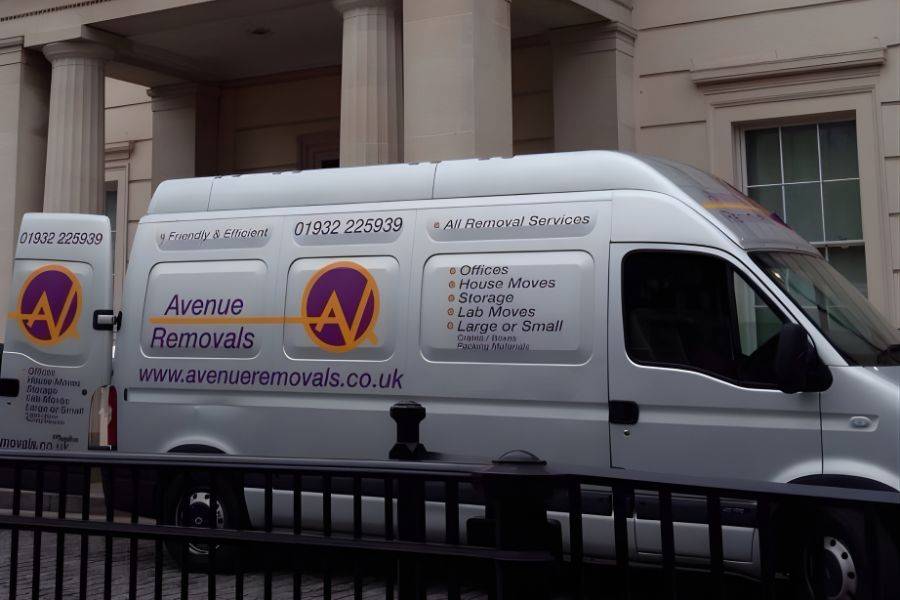
How do you handle parking and loading for Bournemouth and Poole flats near the seafront and town centres?
Bournemouth and Poole seafront apartments—especially around Poole Quay, Sandbanks, Canford Cliffs, Westbourne, Southbourne, and Boscombe—require parking bay suspensions, service lift bookings, and coordination with building management to ensure smooth loading and unloading.
Parking suspensions
Bournemouth, Christchurch and Poole (BCP) Council handles parking suspension applications for removal vans, typically costing £60–£100 and requiring 7–10 working days’ notice during term time or peak summer weeks. Victorian and Edwardian terraces in older Bournemouth neighbourhoods have narrow on-street parking, one-way systems, and resident permit zones, so crews plan routes in advance and confirm turning space at both ends.
Modern apartment blocks around Poole Quay, Sandbanks, and seafront developments in Bournemouth offer designated loading bays, but these often require advance booking through building management and may enforce time limits (typically 2–3 hours). Crews arrive early (07:00–08:00) to maximise loading time before parking wardens begin enforcement and tourist traffic builds along the A338 and seafront roads.
Service lifts and managed access
Flat removals in Bournemouth and Poole apartment blocks require advance notice to building management for lift bookings, loading-bay access, and insurance certificates (goods-in-transit cover, public liability). Crews bring protective floor runners, corner guards, and furniture blankets to shield communal hallways, lifts, and entrance lobbies, and they’ll disassemble beds, wardrobes, and sofas on-site if lift dimensions won’t accommodate full-size items.
Period conversions in older Bournemouth and Poole terraces have narrow staircases, shared hallways, and limited front-garden access, so crews park as close as possible (often requiring suspension of resident parking bays) and use protective coverings for banisters, skirting, and door frames.
Timing around tourist traffic
Bournemouth and Poole see heavy summer traffic along the A338, seafront promenades, and routes to Sandbanks and Canford Cliffs from late June through August. Early-morning slots (06:00–08:00) avoid tourist congestion and maximise loading time, while midweek moves (Tuesday–Thursday) encounter less traffic than Friday–Sunday changeover days.
Student removals in Bournemouth peak in June/July and September around Bournemouth University, when demand for parking suspensions, vans, and crew availability runs high—booking 6–8 weeks ahead secures your preferred date and avoids last-minute price spikes.
Can you coordinate removals around Dorset's summer traffic on the A31/A35 and holiday changeover days?
Dorset’s main transport arteries—the A31 (from Ringwood through Wimborne toward Dorchester), the A35 (coast road from Honiton through Bridport, Dorchester, and Poole), the A338 (Bournemouth/Christchurch), and the A350 (north–south through Blandford Forum and Shaftesbury)—see heavy congestion during summer weekends, bank holidays, and school-holiday changeover Saturdays (especially July and August).
A31 corridor
The A31 runs from the M27 (Southampton/New Forest) through Ringwood, Ferndown, Wimborne Minster, and Bere Regis toward Dorchester, carrying holiday traffic to Bournemouth, Poole, and the Jurassic Coast. Summer Saturdays see queues from Ringwood through to Bere Regis, so house removals in Dorset benefit from midweek moves and early starts (07:00–08:00) to clear trunk routes before leisure traffic builds, avoiding 60–90 minute delays around Wimborne and Bere Regis.
A35 coast road
The A35 runs from Honiton (Devon) through Bridport, Dorchester, and Poole toward Bournemouth, carrying holiday traffic to West Dorset beaches, Lyme Regis, and the Jurassic Coast. Summer Saturdays bring queues from Bridport through to Poole, so removal crews plan overnight or very early departures for long-distance moves to London, the South East, or the Midlands, arriving at the new address mid-morning and avoiding both Dorset’s tourist traffic and A303/M3 bottlenecks.
A338 Bournemouth corridor
The A338 connects the A31 to Bournemouth town centre and the seafront, carrying commuter and tourist traffic year-round. Summer weekends see heavy congestion from the A31 junction through to Bournemouth seafront, so moves around Bournemouth and Poole benefit from early-morning slots (06:00–08:00) or midweek timing to avoid peak traffic.
A350 north–south route
The A350 runs from the M4 (Chippenham) through Blandford Forum, Shaftesbury, and connects to the A31 near Bere Regis, serving North Dorset villages and market towns. Moves along this corridor require buffer time for agricultural vehicles, market-day congestion (Blandford Forum on Thursdays, Shaftesbury on Saturdays), and narrow sections through villages.
Best days to move in Dorset
Midweek moves (Tuesday–Thursday) avoid summer Saturday changeover traffic and offer better crew availability, parking suspension processing, and journey times on the A31, A35, and A338. Early starts (07:00–08:00) clear trunk routes before tourist traffic builds, and off-peak months (September–June, excluding school holidays) offer quieter roads, easier parking, and more flexible scheduling.
Moving overseas from Dorset?
With moving experts at your fingertips, let us make your move a breeze.
What does a full-service removals package include (packing, dismantling, storage)?
A full-service house removals package in Dorset covers every stage of your move, from packing and dismantling at your old address to transport, reassembly, and unpacking at your new home, with optional storage for flexible completion dates or temporary accommodation between moves.
Packing service in Dorset:
Professional packing teams bring boxes, tape, bubble wrap, and protective materials to wrap and pack your entire household—china, glassware, books, clothing, artwork, electronics—saving days of preparation and ensuring fragile items survive long journeys. Crews label boxes by room and contents, making unpacking faster and reducing the risk of misplaced items. Packing service costs depend on property size, typically ranging from £300–£800 for a three-bedroom house.
Dismantling and reassembly:
Removal crews disassemble beds, wardrobes, dining tables, and flat-pack furniture on-site if dimensions won’t clear doorways, staircases, or lifts, then reassemble everything at your new address. This service is especially valuable for period cottages with low beams and tight staircases, Bournemouth apartment blocks with narrow lifts, and rural properties where furniture may need hoisting through upstairs windows.
Piano removals in Dorset:
Specialist piano removals require trained crews, protective blankets, and secure strapping to move upright or grand pianos safely through narrow hallways, down staircases, or across uneven cottage floors. Crews use piano trolleys, skids, and lifting straps to protect the instrument and surrounding property, with insurance cover for high-value items.
Dorset removals and storage:
Secure, climate-controlled storage facilities offer short-term and long-term options for household goods when completion dates shift, you need temporary accommodation between moves, or you’re downsizing and need overflow space. Storage options include flexible access, insurance cover, and collection/delivery services, with pricing based on volume (typically £20–£50 per week for a one-bedroom flat’s contents).
Insurance and protection:
Comprehensive removals insurance covers accidental damage, loss, and delays, with premiums based on declared goods value. Most removal companies in Dorset include basic goods-in-transit cover (typically £50,000–£100,000), with optional upgrades for high-value items (antiques, artwork, musical instruments).
Planning your Dorset move
House removals in Dorset succeed when you book early—ideally 6–8 weeks ahead for summer moves—and arrange a home or video survey so your moving company can assess access, parking, and property layout. BCP Council and Dorset Council handle parking suspension applications for urban and market-town moves, and your crew will coordinate timing to avoid A31/A35/A338 congestion and seasonal traffic spikes around Bournemouth, Poole, and the Jurassic Coast.
For rural properties around Purbeck, West Dorset, and coastal villages, confirm postcode accuracy, identify the nearest safe parking point for a large van, and clear overhanging branches or obstacles along approach lanes. If your cottage has low beams, narrow stairs, or conservation-area restrictions, mention these during the survey so the crew brings appropriate equipment and plans realistic loading times.
Common move corridors include London/Home Counties → Dorset (downsizers and commuters), Bournemouth/Poole ↔ Christchurch (local relocations), Weymouth ↔ Dorchester (coastal to market town), and rural villages ↔ Wareham/Wimborne/Blandford Forum for schools and work. Removal company costs vary by distance, property size, and service level, with typical quotes ranging from £400–£800 for local Dorset moves and £800–£1,500 for long-distance relocations to London or the Midlands.
Whether you’re moving from a Sandbanks waterfront apartment to a Purbeck village cottage, relocating from London to Bournemouth for coastal living, or downsizing from a Dorchester family home to a Poole Quay flat, local knowledge of parking suspensions, narrow lanes, summer traffic patterns, and property types ensures your crew arrives on time, parks legally, and completes the job without stress.
We are serving Dorset from our HQ in Surrey
Planning a move in Dorset?
Get your free, no-obligation quote from Avenue Removals HQ today. We’ll arrange a home or video survey to plan access, parking, and lane width for your Dorset address—whether you’re moving to a Bournemouth seafront flat, a Purbeck cottage, a Poole apartment, or a rural home near the Jurassic Coast. Book your Dorset move with confidence.